





The incoming Archbishop of Canterbury, dame Sarah Mullally, warned that plans to legalise assisted suicide could put vulnerable people at risk and create a false choice.
Mullally, who will be installed as the 106th archbishop of Canterbury later this month, drew on her experience as England’s former chief nursing officer, saying that even with safeguards, the law would not fully protect those most at risk.
She echoed concerns raised by former prime minister Gordon Brown about state-funded assisted suicide leaving terminally ill patients without a genuine choice.
The interview aired on New Years Eve on BBC Radio 4 Today Programme, where Mullally said she was “worried that people may make a decision for assisted dying because they’re not having the right palliative care or the right social care.”
She added that the law could “signal that we are a society that believes some lives are not worth living”.
She also reflected on broader changes in the Church of England, highlighting a “complete culture change” in safeguarding over the past decade.
The current Bishop of London praised independent safeguarding measures and noted the growing presence of young people returning to church, as well as the role of night shelters and community outreach.
Mullally said the ordination of women had brought “the full range of gifts and abilities” to the Church and encouraged young girls to consider vocations.
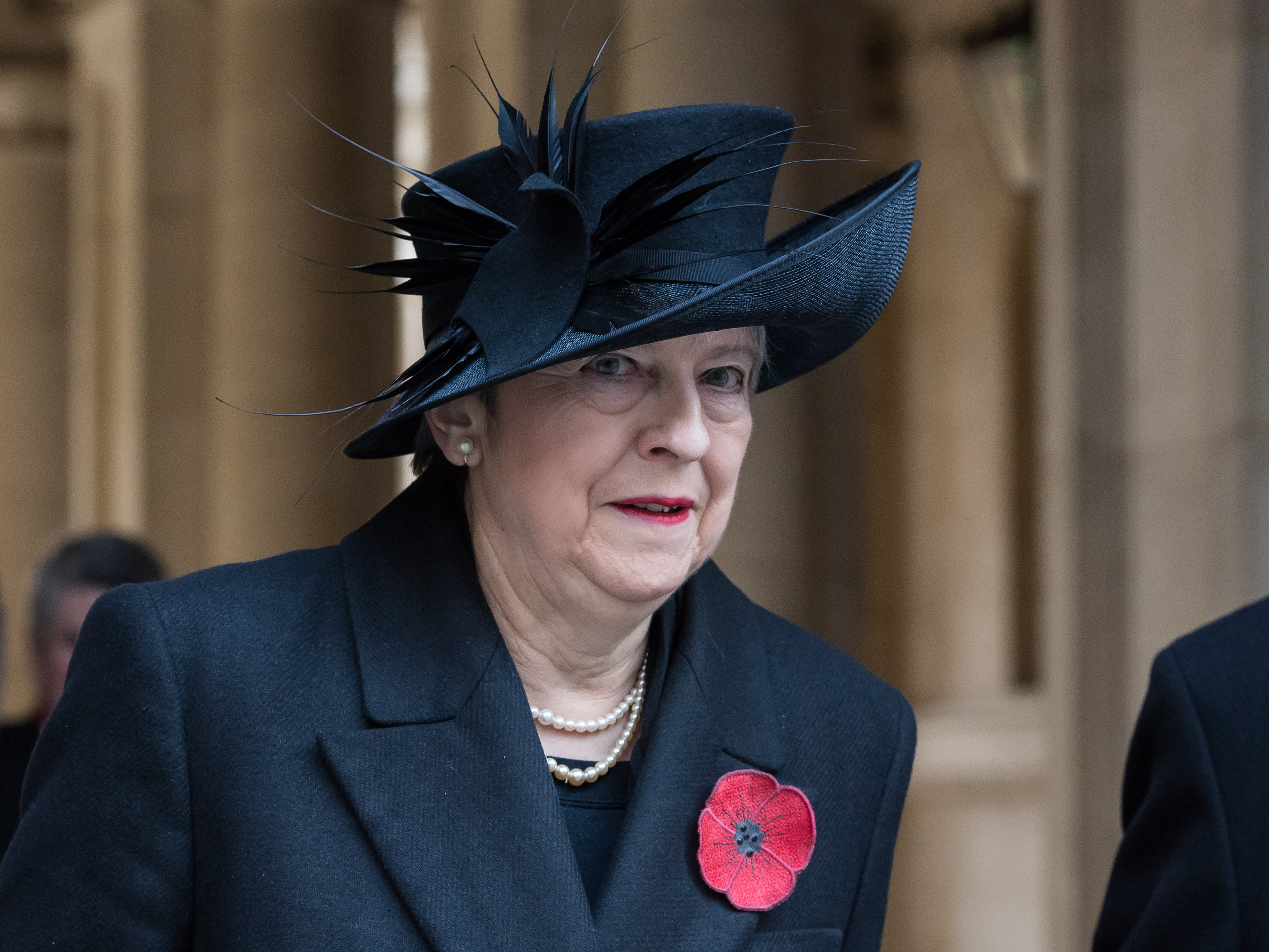
Theresa May, who conducted the interview, thanked Mullally for “giving us hope” ahead of her ordination.
May has spoken out against assisted suicide in the House of Lords. During a debate last year she said it made little sense for the government to have a suicide prevention strategy while at the same time facilitating suicide via the NHS.
The Westminster bill is currently being considered by the House of Lords, while in Scotland their bill is at Stage 3, meaning that a final vote on the issue could take place there as early as March, following further amendments and debate.