




Two Cambridgeshire parishes marked Black History Month and celebrated their connection to Olaudah Equiano, the 18th-century abolitionist who was married in Soham parish church in 1792.
In recent years, a dramatic presentation by Collisions Theatre Company, has told Equiano’s story and the history of the abolitionist movement, which has taken place in both St Andrew’s Chesterton and St Andrew’s Soham parishes. The audience has included more than 1,300 local school children.
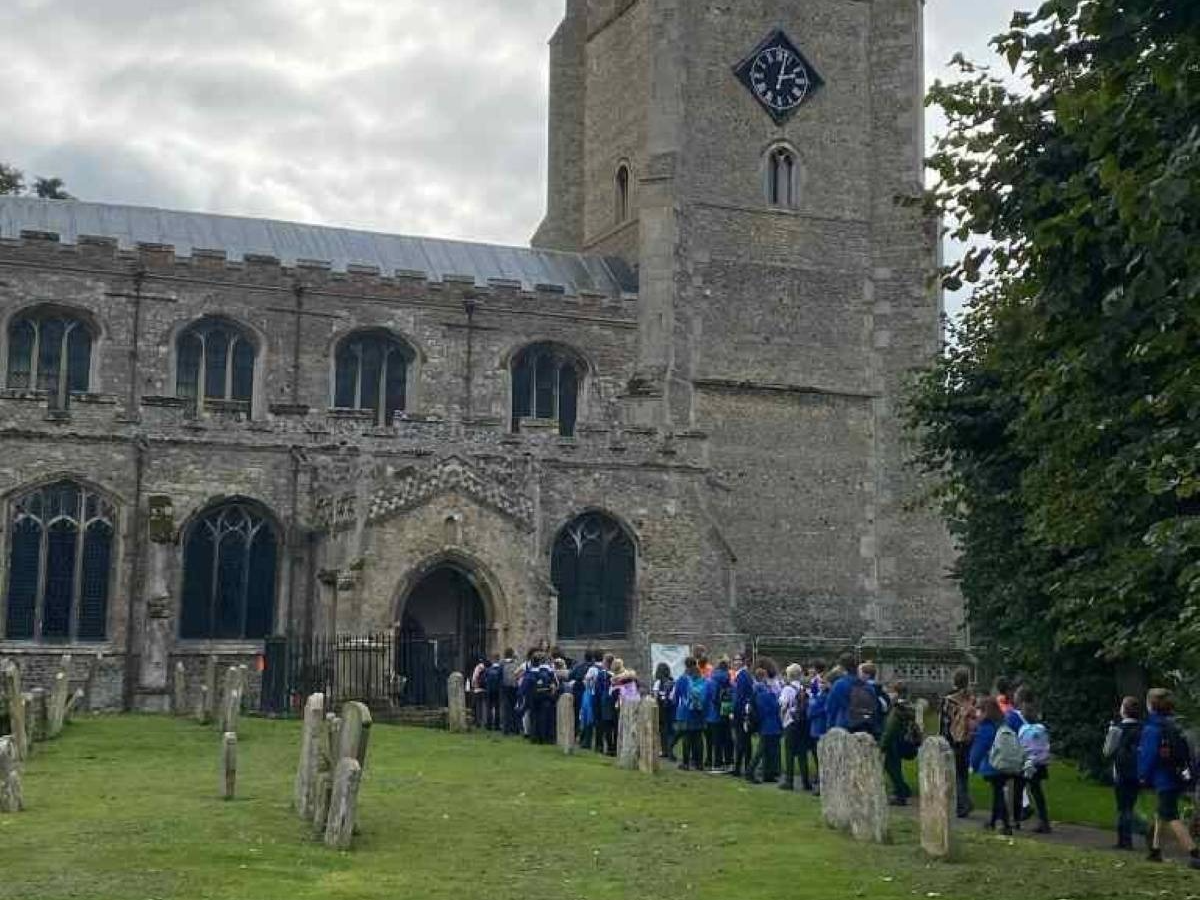
The Rev Eleanor Whalley, vicar of St Andrew’s Soham, described Equiano as “an inspiration and example to us all,” adding that “despite the most horrendous circumstances... he kept the faith. He fought the good fight, and in the end, he won the battle.”
Equiano, who died in 1797, was the first person of African descent to write a detailed account of his life before and after enslavement in his book The Interesting Narrative of the Life of Olaudah Equiano or Gustavus Vassa, the African, which gave him widespread fame and led to his meeting his wife during a promotional tour in Cambridge around 1789 or 1790.
Whalley, who helped organise the events to raise awareness of Equiano’s story, said his autobiography was a “key text used by other abolitionists,” adding, “you need to read his influential autobiography... that text... was a key text used by other abolitionists.”
“Equiano’s story continued to influence the course of history today, building a better world.”
Equiano, born in what is now Nigeria, was captured as a child and enslaved before buying his freedom. He married Susannah Cullen, a white woman from Ely, and their eldest daughter was commemorated at St Andrew’s Chesterton in Cambridge.
Rev Philip Lockley of St Andrew’s Chesterton described the Equiano family story as “one of liberation, justice, love and mercy.”
There will be a special talk on 8 October at 7:30 pm at St Andrew’s Soham featuring experts sharing new research about Equiano’s family and legacy.