





The Church of Scotland has officially apologised for its historical links with chattel slavery.
Adopted at its General Assembly, the Church states that it is “grieved beyond telling” and is committed to “changing course and bearing fruit worthy of repentance”.
Some members of the Church had given a theological justification for slavery before its abolition in Scots Law in 1778 and the British Empire in the 1830s. Others had directly or indirectly benefited from the transatlantic chattel slave trade, with wealth contributing to the building of churches and universities to train ministers.
The apology states: “We are grieved beyond telling by the extraordinary suffering we have inflicted – through our actions and our inaction – on our brothers and sisters. As bearers of God’s image loved by God, they should have been loved by us. Not only did we fail to love them, we failed to treat them with basic human respect. We repent, committing ourselves to changing course and bearing fruit worthy of repentance.”
Very Rev Sally Foster-Fulton, who convened the Legacies of Slavery Task Group, told Premier Christian News the Church “felt deeply that this is something we need to be honest and repentant about”, with the slave trade being “the genesis of the racism that we live with today”.
The Church had been part of “normalising chattel slavery using theology in a toxic way”, Rev Foster-Fulton said, having “tried to bring people into the Chrisitain faith who were enslaved, but said that did not give them the God-given right to their freedom”, referencing the ‘Slaves Bible’ which removed passages about escape from slavery.
Rev Foster-Fulton said it was still “living history” because of slavery’s legacy on the Caribbean, rejecting the belief that there should not be an apology because it happened in the past, and pointed to the Bible’s teachings on repentance.
“When our theology diminishes the humanity of one person or one group of people, it diminishes us all, and so we are all diminished by this time in history and by the legacy that continues to impact us every day. We cannot pretend that it is all in the past. It's very much about what's in the present, how we change course, live differently and repair the damage”, she said.
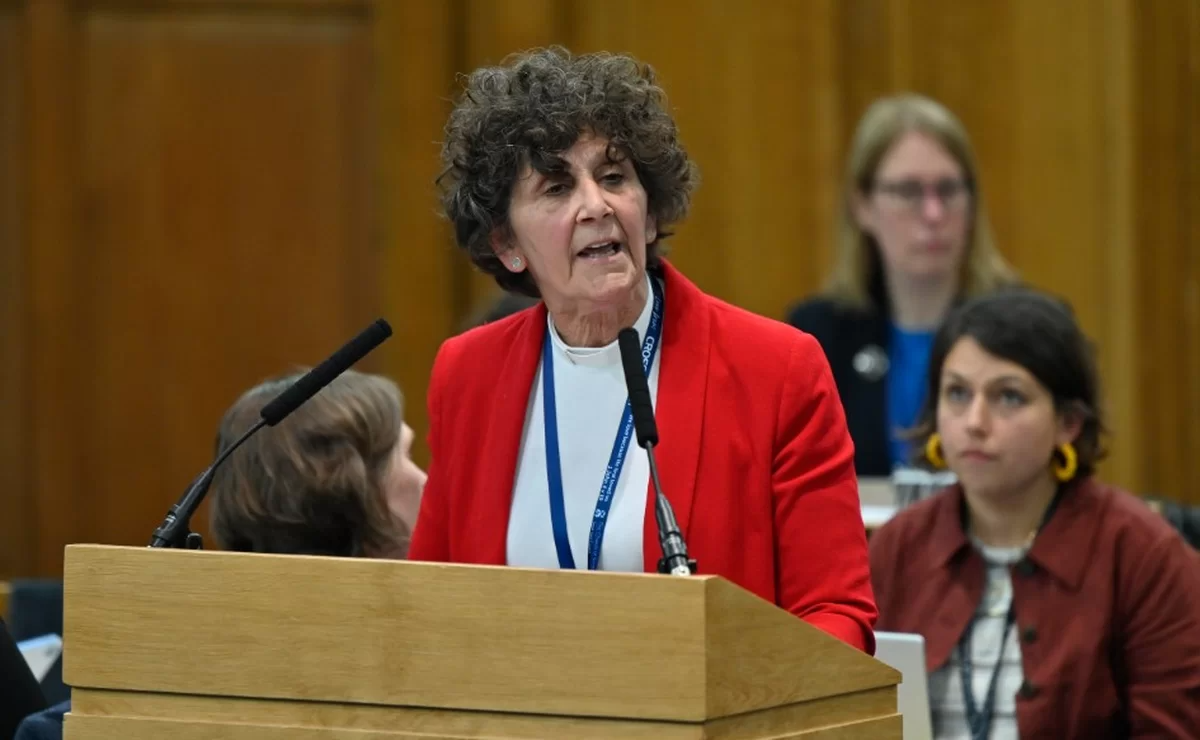
She recounted to Premier a conversation with a teacher in Jamaica who said their “identity had been robbed [because] I don’t know who I am or where I came from”, the lack of infrastructure, the colonial influence on education, and the prevalence of diabetes because of the sugar trade.
Having been part of an ecumenical visit to Jamaica, the Church is committed to reparatory next steps. Rev Foster-Fulton also called on local churches to consider the history of their local area and whether they are welcoming to a diverse group of people.
Delegates from Africa and the Caribbean responded to the General Assembly’s report on Saturday. Rose Wedderburn, general secretary of the United Church in Jamaica and the Cayman Islands, praised the “courage” and “effort invested in truth-telling and honest engagement”.
Rev Dr Victor Okoe, from Abbey Trinity Presbyterian Church in Ghana, said: “I pray the Church and its members will be bold and continue to be committed to walk the talk and implement the demands of its apology”.