


The phenomenon known as the supermoon reached its peak luminescence in North America before dawn on Monday. Its zenith in Asia and the South Pacific was on Monday night.
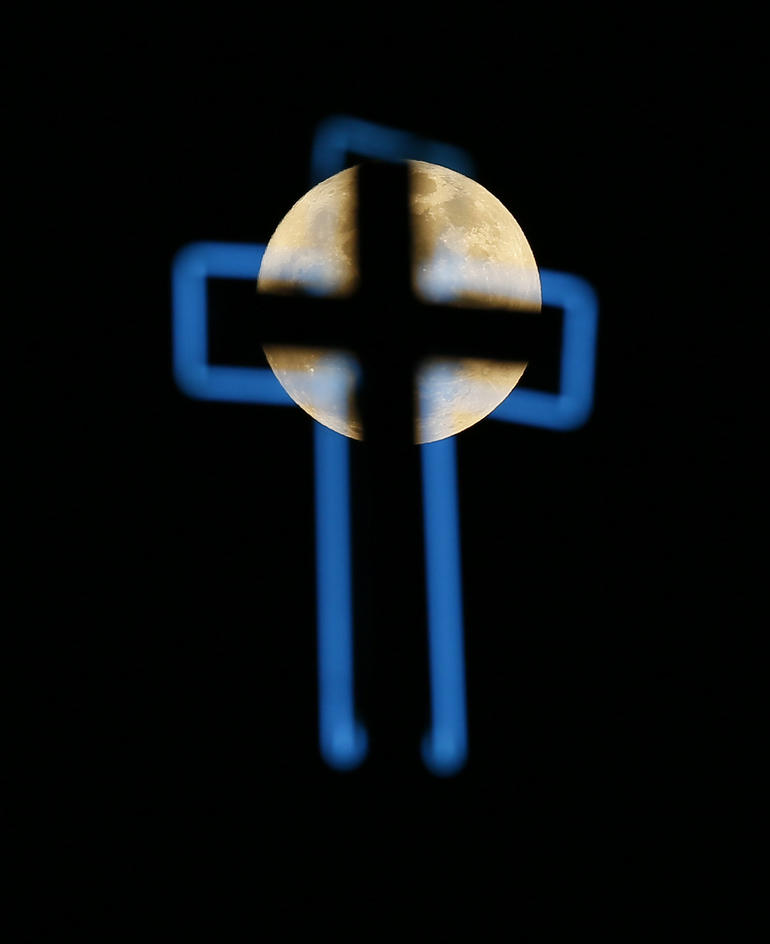
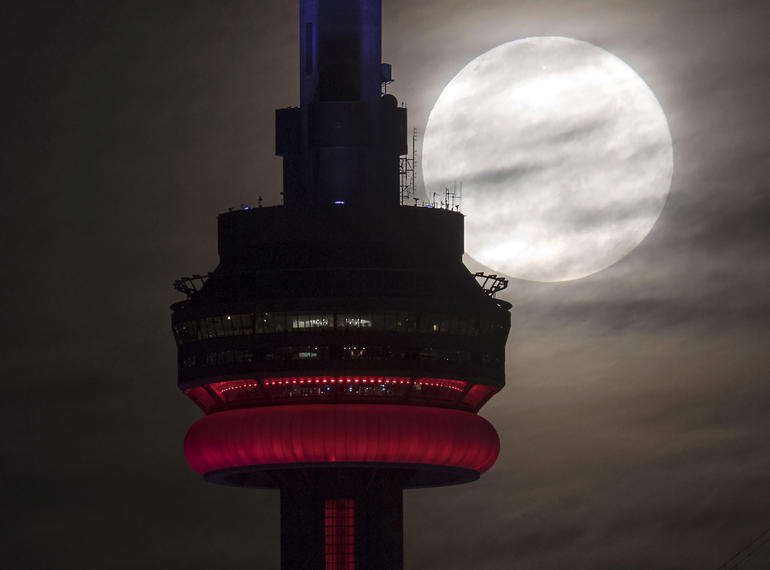
Rev David Wilkinson, professor at Durham University with a PhD in astrophysics, told Premier it was provoking a "sense of awe which sometimes science discloses".
It was "really important for people of faith," he added.
"We are able to look up and wonder about the universe, where does it come from? What's its value? And so in that sense I think the Christian has something to say about a beautiful God creating a beautiful creation."
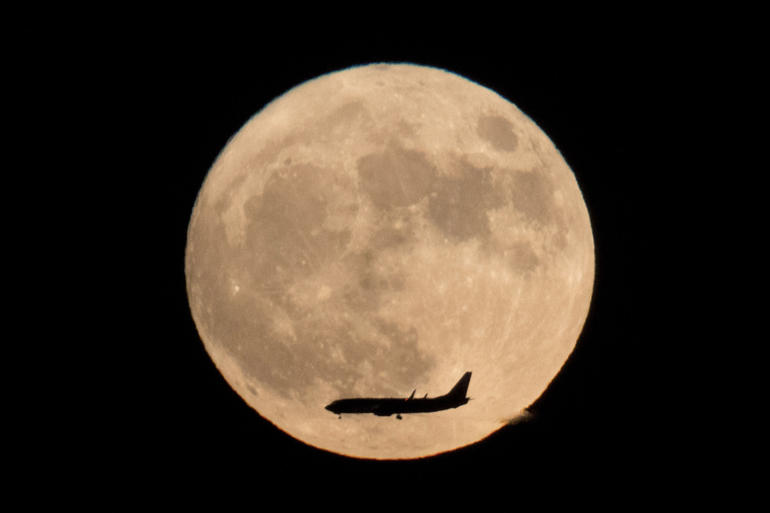
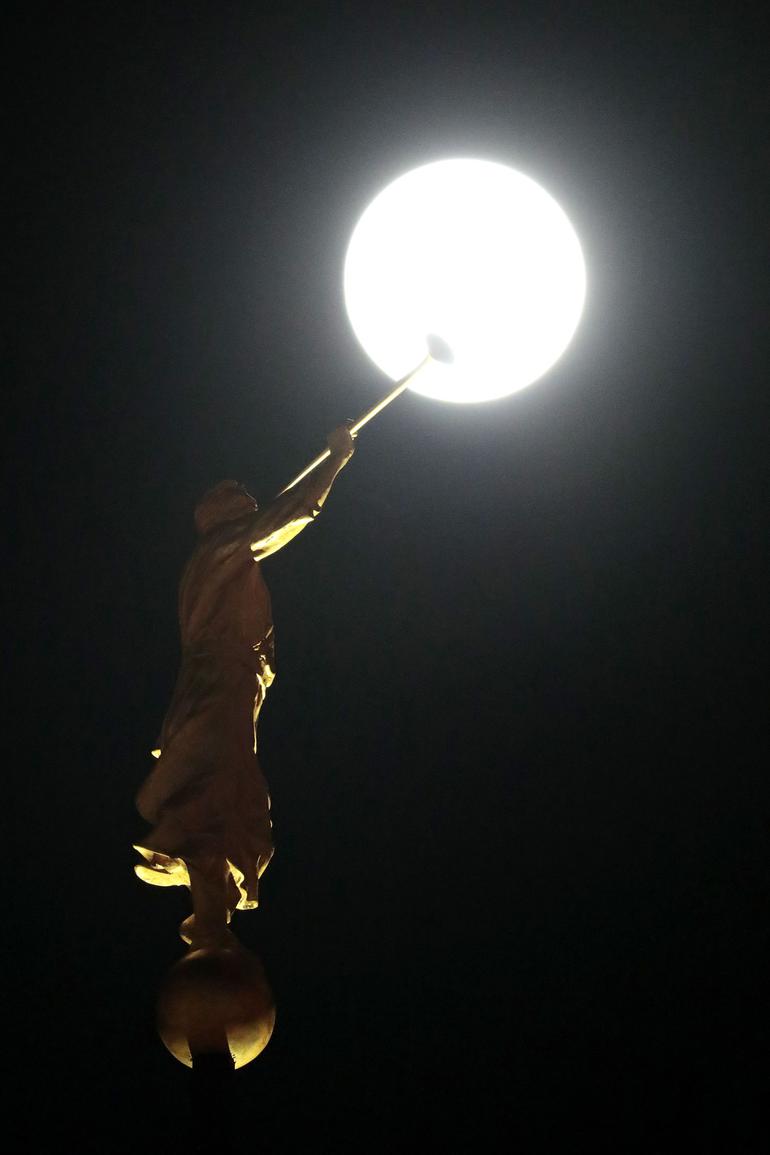
The moon orbits the Earth in an oval shape. The moon will be at its brightest this week because it is coming closer to the Earth along its elliptical orbit than at any time since January 1948.
The supermoon will also bring stronger than usual high tides, followed by plunging low tides the next morning.
Viewers can expect to see a moon about 14% larger in diameter and about 30% brighter than when it is at its furthest distance from the earth. It will not be as big and bright again for another 18 years.