


Martin Luther King III and his wife, Arndrea Waters King, have questioned how Christian nationalism can be reconciled with the teachings of Jesus Christ, warning that the movement risks deepening division and segregation in society.
Speaking to Premier Christian News at the G20 Interfaith Forum in Salt Lake City, Utah, the couple said people of faith must promote love, unity and human dignity rather than allow religion to become a source of division.
King, the son of the late civil rights leader Rev Dr Martin Luther King Jr, had earlier spoken on a panel alongside Utah Governor Spencer Cox and former South Carolina Governor David Beasley, arguing that the US must choose community over chaos.
His comments referred to the question at the heart of his father's final book, Where Do We Go from Here: Chaos or Community?
“What the country is doing now is not sustainable,” King said. “Communities are sustained by the values they believe in, but they're also sustained by leadership, particularly faith leadership. When faith does what it's supposed to do instead of pulling people apart, community is advanced.”
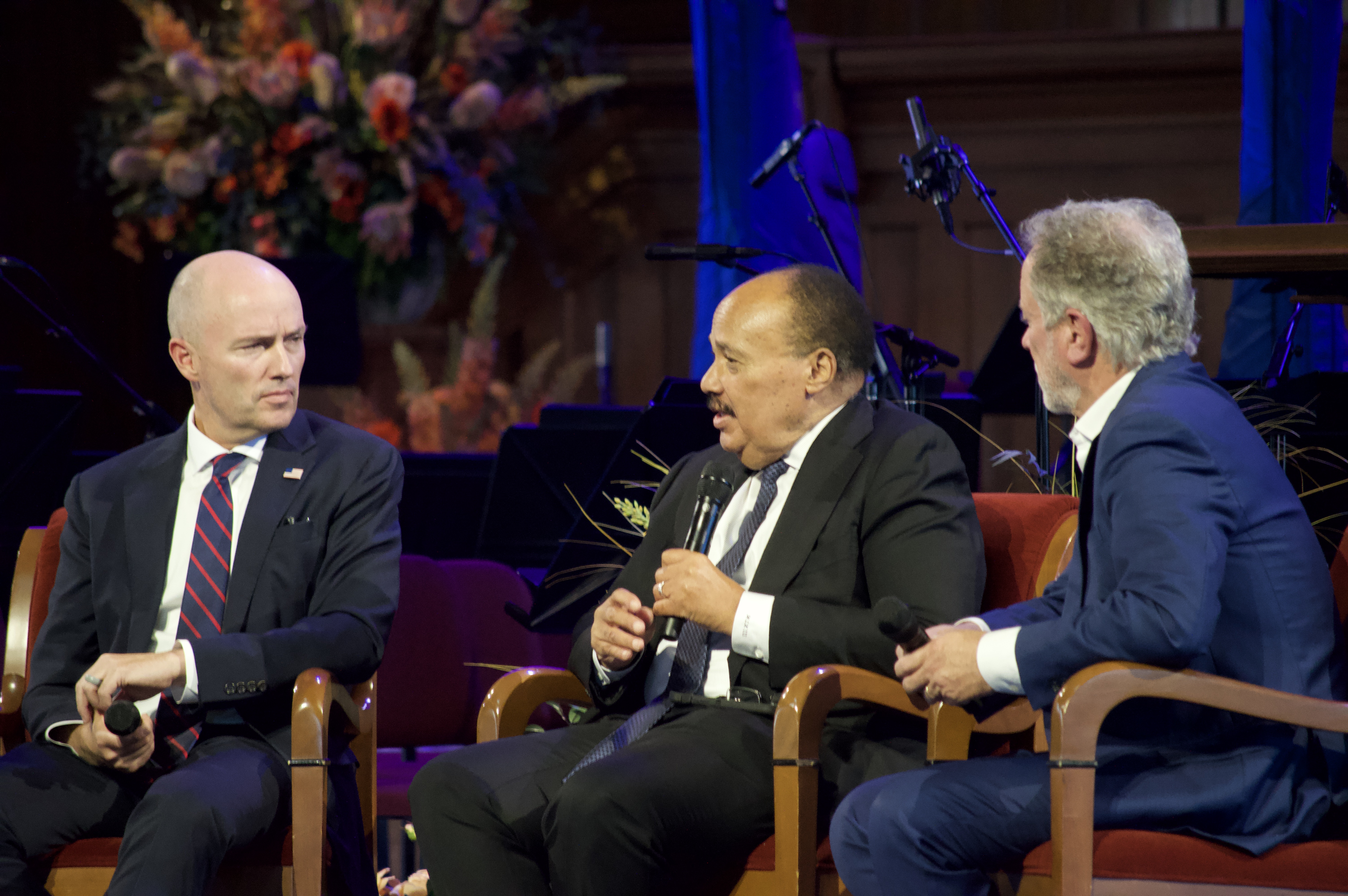
In his interview with Premier Christian News, King described Christian nationalism as harmful to society, arguing that the country needed to find ways to unite people from different backgrounds.
“Christian nationalism is not good in my judgement,” he said. “We see things happening all over Europe and all over the world, and I cautiously want to address this because some of this has been led by this nation, and that I feel not so good about that because I know we're better than that.”
He added: “We should not be so segregated and so disjointed. We need to figure out how to create unity, how to create a climate where no one is mistreated?"
“We have to look at ourselves as a group of different types of people, and everyone brings something to the table. And when everyone is recognised and treated with dignity and respect, it's a better nation, a better community, a better result.”
A new study by the think tank Theos has found that Christianity is being invoked as a marker of British identity amid wider anxieties about Islam, immigration, cultural change and what it means to be British.
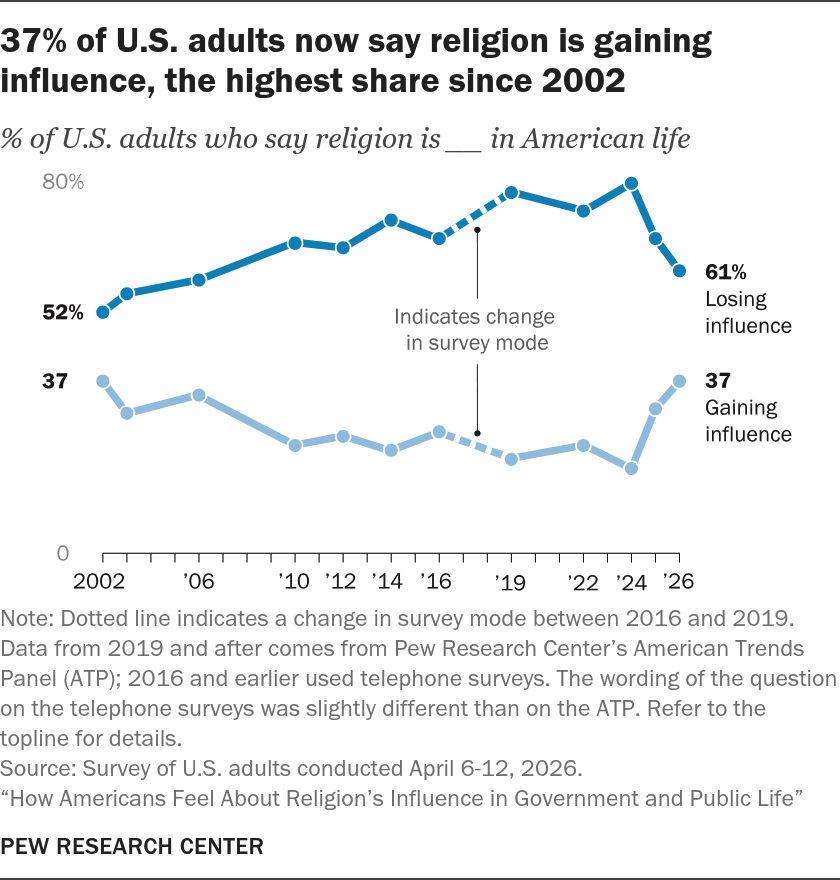
Meanwhile, a report published by Pew Research in May found that awareness of the term “Christian nationalism” had increased, with 59 per cent of US adults saying they had heard or read at least a little about it, up from 45 per cent when the question was last asked around two years earlier.
Waters King told Premier her experience studying far-right hate groups had given her a particular perspective on the movement.
“I have a history of monitoring extreme far right hate groups, Ku Klux Klan, neo Nazis, skinheads.In those groups that we were monitoring in the late '90s, a lot of the philosophy was based on Christian nationalism,” she said. “I think it can be troubling.”
Waters King is the president of the Drum Institute, which advocates for peace, justice and equity. She questioned whether Christian nationalism could genuinely embody the Christian message.
“I'm not sure how Christian nationalism, if you're really understanding the example of Jesus Christ...how that fits,” she said.
She added: “I think that it is very challenging for me to find that voice of Christ, that voice of love, that voice of unity within the philosophy of Christian nationalism and excluding others.”
Meanwhile, King urged churches to confront racism and other forms of injustice.
“The first thing is you've got to acknowledge the truth, acknowledge that it is a problem,” he said. “Oftentimes... we don't want to talk about race. We don't want to talk about these wrong things, and it is said that a people that do not remember their history are doomed to repeat the mistakes of the past.”
He also expressed concern about attempts in the United States to restrict access to books, history and information, and encouraged churches to be among the institutions prepared to have difficult conversations about it.
According to new data from PEN America, public schools banned nearly 12,000 books in the 2025-2026 school year, marking the highest number since the organisation began tracking book bans in 2021. Bans have largely affected books on race and gender.
“The Church has to be one of the institutions that says 'no', we're going to have these very difficult conversations, because the only way you can address something is you first have to acknowledge it exists, and once you've acknowledged it, then you can begin a strategic focus to address it,” King said.
The couple said the civil rights movement offered an example of people from different faiths and backgrounds working together towards a common goal. Waters King pointed to the G20 Interfaith Forum itself as evidence of the continuing desire for people to reach across religious divides.
“I think that what we are witnessing is not something just an exercise in vanity,” she said. “It's a reminder that each one of us has a unique, and prominent, and irreplaceable role in building that beloved community."
The annual G20 Interfaith Forum takes place in the same country as the G20 Leaders' Summit, which US President Donald Trump is hosting in Florida in December.
The forum brings together religious leaders, scholars, policymakers and other representatives to explore how faith communities can contribute to addressing global challenges.