


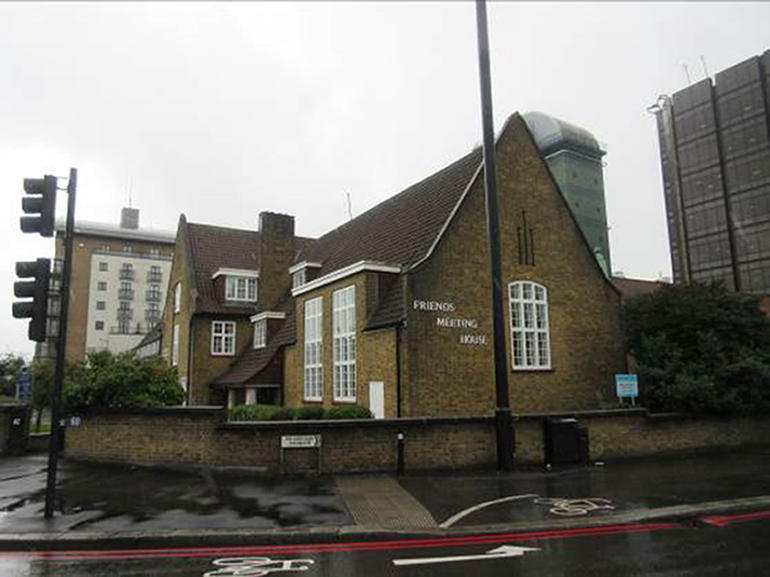
Some eleven meeting houses, from a 19th century building in Cartmel, Cumbria, designed by the architect of the Natural History Museum to a 1970s concrete venue in London's Blackheath, have been given Grade II listed status.
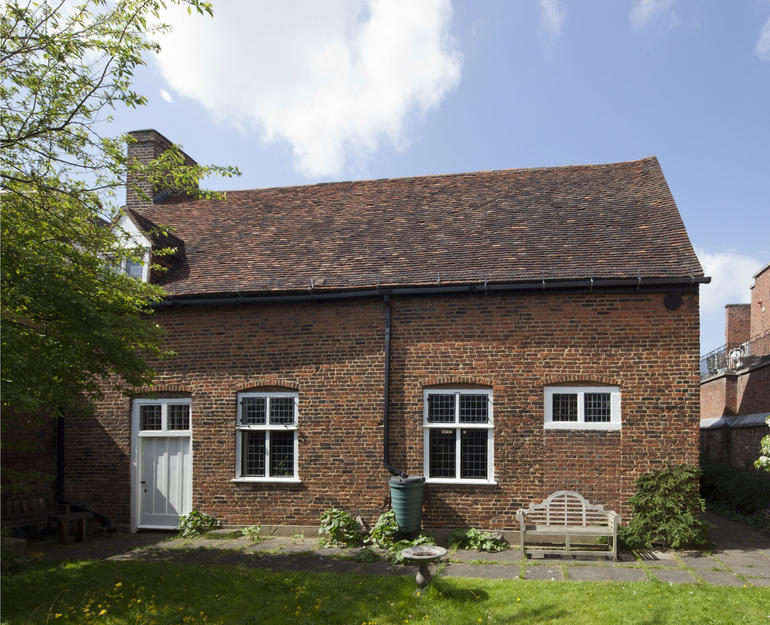
The oldest meeting house in the world still in continuous use, which opened in Hertford in 1670 to replace meetings held in private homes, has been upgraded to Grade I protected status.

And five of the country's other oldest meeting houses have had their listed status upgraded to Grade II* by the Government, on the advice of its heritage agency Historic England.
The Quaker movement, or the Religious Society of Friends, began in the 1600s, largely led by George Fox.
He turned his back on the established Christian Church and believed everyone could have a direct relationship with God, removing the need for priests or churches.
Early on, friends met for silent worship in places ranging from hilltops to people's homes, but as the movement grew meeting houses were built, usually unassuming buildings, plainly decorated in reflection of the Quaker commitment to simplicity.
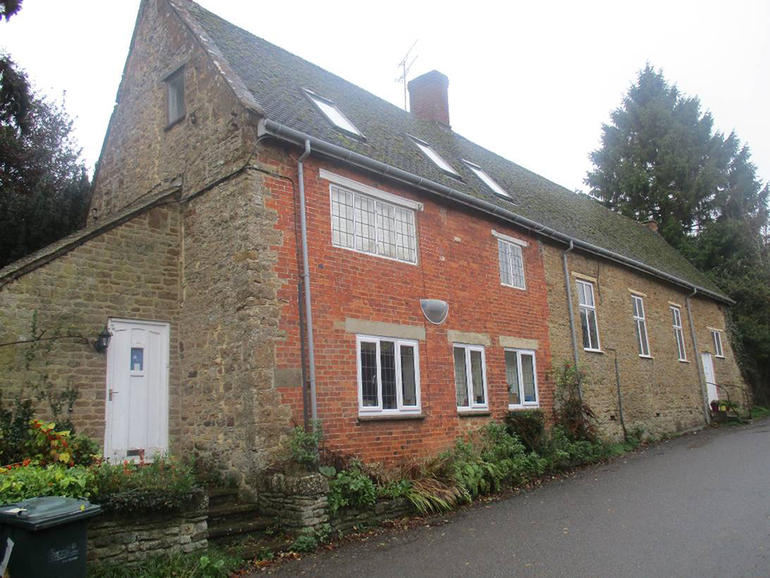
Now 300 of the 500 groups, or meetings, in Britain have a dedicated meeting house rather than renting a space or meeting in a private home.
In England, more than 250 meeting houses are protected as listed buildings, though not all are still in use by Quakers.
Some meeting houses predate the 1689 Act of Toleration, before which Quaker worship was outlawed, including the venue in Hertford which was visited at least three times by Fox, and which retains much of its original character.
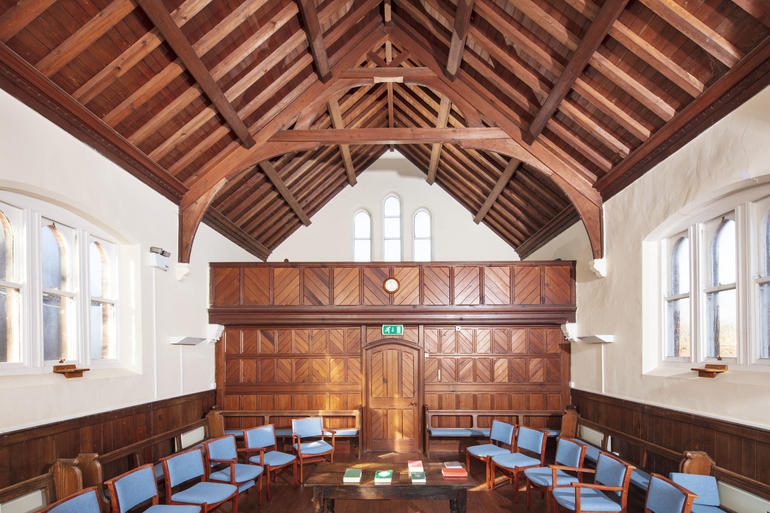
Undated handout photo issued by Historic England of the Friends Meeting House, Sandiway Lane, Northwich, Cheshire.
Resembling a pair of houses outside, inside it is one large meeting room to the full height of the building, lined by timber panelling and rows of benches, while the roof is supported by a single oak column in the centre.
The five meeting houses which have been upgraded to Grade II* protected status include venues in Nailsworth, Gloucestershire, and Alton, Hampshire, which were also built for worship while it was still against the law.
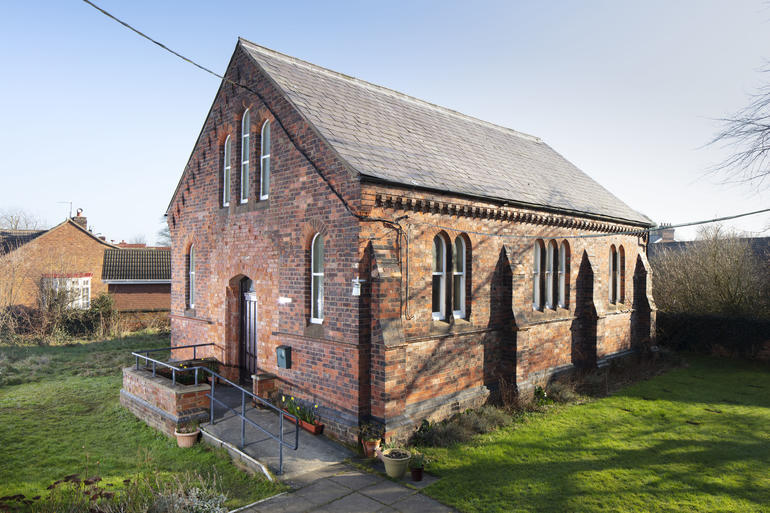
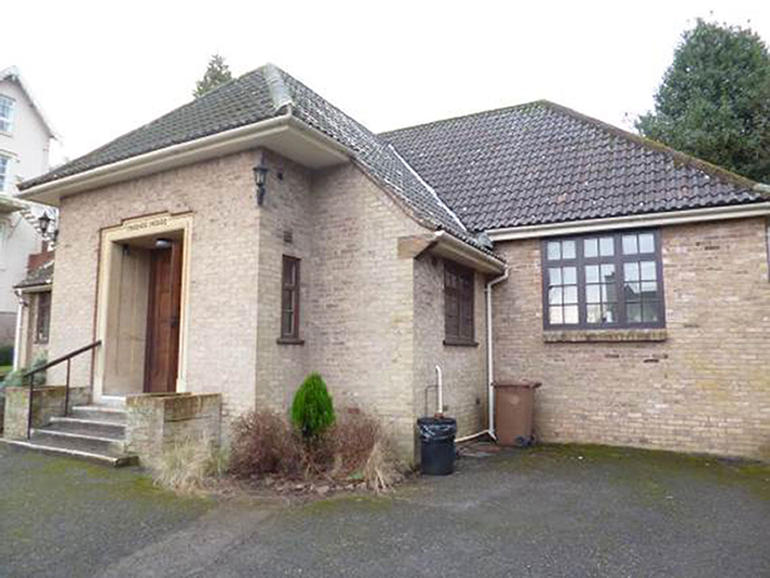
Among the 11 newly listed properties are 19th century buildings which replace earlier meeting houses or reflect expanding cities and a move to the suburbs, and 20th century venues.
Heritage minister Michael Ellis said: "Britain's buildings tell the story of our history and the people who shaped it.
"By listing the Quaker meeting houses, we are preserving important places of worship and celebrating their rich heritage."
Duncan Wilson, Historic England's chief executive, said: "Quaker meeting houses are precious pockets of calm in an otherwise hectic world, and I'm delighted to see their quiet simplicity celebrated through listing.
"They are a largely unsung group of fascinating and surprisingly varied buildings that reflect the history, attitudes and ethos of the Quaker movement.
"While many still serve their Quaker communities, their historic charm and flexible spaces are also enjoyed by lots of other groups, visitors and passers-by and they deserve to be protected for future generations."
Ingrid Greenhow, of the Religious Society of Friends, said: "I am delighted that Quaker places of worship are recognised as important elements in our national heritage.
"It is particularly heartening to see examples of 19th and 20th century meeting houses being listed. Our meeting houses continue to be centres for our faith and witness today."
Stay up to date with the latest news stories from a Christian perspective. Sign up to our daily newsletter and receive more stories like this straight to your inbox every morning.