


The Methodist minister was one of two independent witnesses who oversaw the decommissioning of IRA arms in 2005.
This week, Rev Good was one of a number of people chosen to meet Prime Minister Theresa May on Tuesday as she took part in round table discussions over Brexit.
He said there had been "lots of different thoughts" around his table, but all were agreed that reconciliation was "desperately" needed whatever the outcome of the House of Commons vote over Mrs May's proposed withdrawal deal.

"We are in a very, very divided situation at the moment, somebody said that it was the worst thing since Suez, we were dealing then with an external foe, here in the situation at the moment, it's a bit like a civil war," he said.
"We are very much at loggerheads with each other... whatever way this vote goes, it will not bring people together."
In August, Rev Good made a public appeal to Democratic Unionist leader Arlene Foster and Sinn Fein vice president Michelle O'Neill to "come together and do whatever it will take" to restore the powersharing government in Northern Ireland.
"Some of us were pleading, whatever way the vote goes, that there would be an all-party coming together, be it in a commission or a body of people who represent the different sides of this debate and are more representative of the nation, so it doesn't continue to be a partisan debate."
Rev Good said Brexit could have a "serious impact in different ways" in Northern Ireland.
Rev Harold Good has become the latest to voice concern about the potential reaction of Loyalists in Northern Ireland amid Brexit divisions pic.twitter.com/1dyPywj0bB
— Rebecca Black (@RBlackPA) November 27, 2018
"I hear some middle class professionals from within the Protestant/Unionist community say they don't feel an affinity with Westminster any longer and maybe if there was a united Ireland poll tomorrow, people might be surprised at how we'd go," he said.
"I hear others with whom I sometimes have conversations with in the more radical loyalist community, and I would be anxious about how they might react.
"I think it could have an impact there that we should be very very conscious of, and anxious about."
The Prime Minister also met with students, young farmers and academics at Queen's University in Belfast.
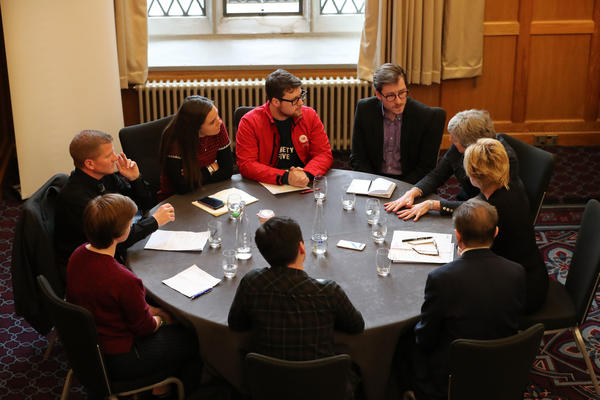
Liam McBurney/PA Wire
Stay up to date with the latest news stories from a Christian perspective. Sign up to our daily newsletter and receive more stories like this straight to your inbox every morning.