





Archaeologists in Wales have been exploring a medieval cemetery that could reveal one of Britain’s earliest Christian communities.
The team is now trying to work out if the site represents “very early Christianity,” says Dr Andy Seaman from Cardiff University.
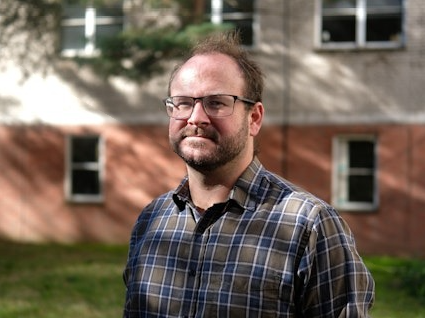
“It’s a period where the history is not yet written,” he adds.
“We don't really understand early church sites… how they functioned, what they looked like, how they were organised. We know that very well from later periods, but in this very formative period of history, it's not very well understood. So it's a really exciting opportunity.”
Excavations at the cemetery in the grounds of Fonmon Castle, near Cardiff airport, have uncovered the outline of a small building alongside domestic and decorative artefacts, including a gilded copper brooch, a decorated bone pin, an antler comb, and multicoloured glass beads.
Dr Seaman says: “It’s clearly not just a place for the dead. There’s a living community here as well.”
So far, 58 skeletons dating to the sixth or seventh century have been uncovered. Nearly all of them were women, suggesting a close-knit religious settlement.
Graves are clustered around the building, which may have served as a chapel or shrine.
Cardiff University archaeologist Tudur Davies said it was “a highly desired location for people to be buried in… sometimes two, three, four individuals have been buried on the same spot, again and again.”
The archaeologists will continue their excavations later this year.