





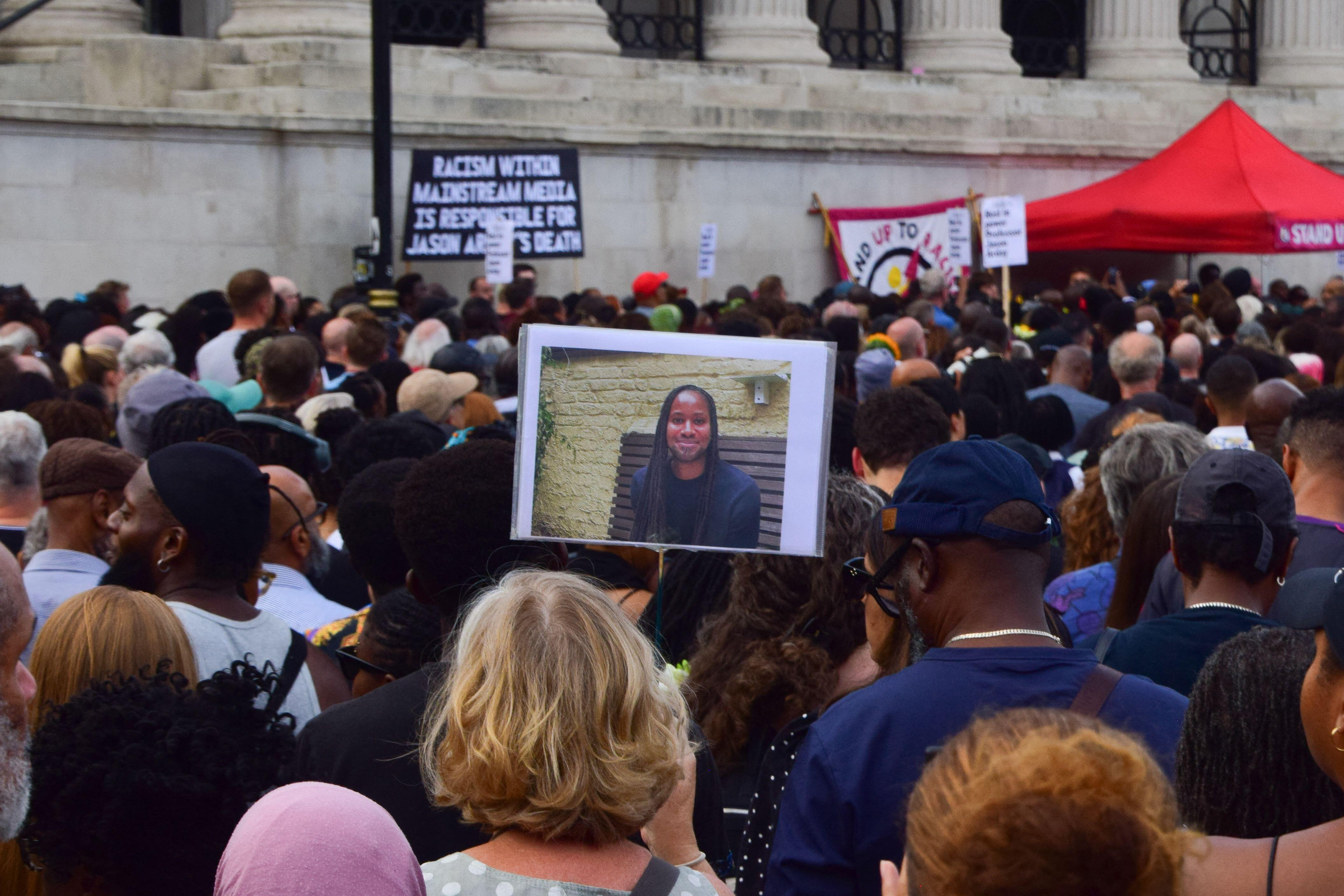
The Bishop of Croydon, the Rt Revd Dr Rosemarie Mallett, has said she fears for the state of British society following the death of academic Professor Jason Arday.
Professor Arday, 41, who became the University of Cambridge’s youngest Black professor in 2023, was found unresponsive at an address in London on 14th August. He had recently resigned from his post following intense public scrutiny over allegations of plagiarism and questions about elements of his personal backstory.
Reflecting on the events surrounding what she described as Professor Arday’s “tragic and avoidable death”, Bishop Mallett questioned the response from academia and the media.
“These past days have been filled with reflection – on the culture of British academia, on culture and standards in our media, on race and truthfulness," she wrote. "Some of this ‘reflection’ has been helpful, some opportunistic and shallow – some blatantly harmful.”
Bishop Mallett, who is herself a doctor of sociology, described a sense of anxiety emerging in the wake of Arday’s death.
“For me – and for many – the circumstances of Jason’s final weeks and his death have understandably prompted despair, sadness, shock and fear. I fear for all those for whom the world feels a little more unsafe and uncaring, for those struggling with oppression, with prejudice or mental health. I fear for young people who have witnessed the cruelty to which Jason was subjected – and who may now no longer dare to hope or dream of what they may be able to achieve. I fear for a culture and a Britain that is lowering its standards – not of academic rigour but of basic human decency.”
She continued: “It is important to recognise and name our fears. But we cannot – we must not – allow fear to rule us. As Christians, when we feel lost and bewildered, the only thing to do is to look again to Christ, to seek his peace and his guidance. As St John reminds us, perfect love casts out fear – and we find perfect love in the person of Christ our saviour.”
Bishop Mallett emphasised the Christian call to compassion, saying: “When we turn to Christ, we inevitably notice how he treats people and who it is that he prioritises – those who are maligned, those who are overlooked, those who have failed, those who are treated as ‘nothing’ by the rest of the world.
“The God we follow is the God who sees us for all that we are – and who loves us powerfully and wholeheartedly in the face of those truths. When we turn to Christ we receive our calling afresh, as compassion, care and mercy come into focus.”