





The Archbishop of Canterbury has shared her “lament” for the Church of England’s involvement in the transatlantic slave trade and backed a £100m reparations fund, having visited a former British slave castle in Ghana.
Most Rev Sarah Mullally expressed regret during a tour of Cape Coast Castle on Thursday, where ships of enslaved Africans were transported to the Americas. Built by the Swedish, it was in the hands of the Danish and Dutch before becoming a British headquarters in 1664.
Archbishop Sarah prayed at the ‘Door of No Return’ which slaves passed through and the shore where ships departed. She also visited the dungeons where enslaved people were kept, where she expressed her belief that the Church should show Christian repentance through action.
She said: “Being at Cape Coast Castle today and seeing the horrific conditions that thousands of people were kept in, it is impossible not to feel the weight of the immense evil that drove the transatlantic slave trade.
“We have a God who loves each one of us, who created each of us with an individual value and worth, and yet that was not recognised here.
“I pray not only in lament for the Church’s involvement in the slave trade, but also for hope - hope that the God of healing can bring justice and reconciliation to all who are still impacted by its legacy. In the name of Jesus Christ, who came to set people free, I pray that we have the courage to continue our journey of repentance, and to strive for a world in which all of God's children are treated with dignity.”
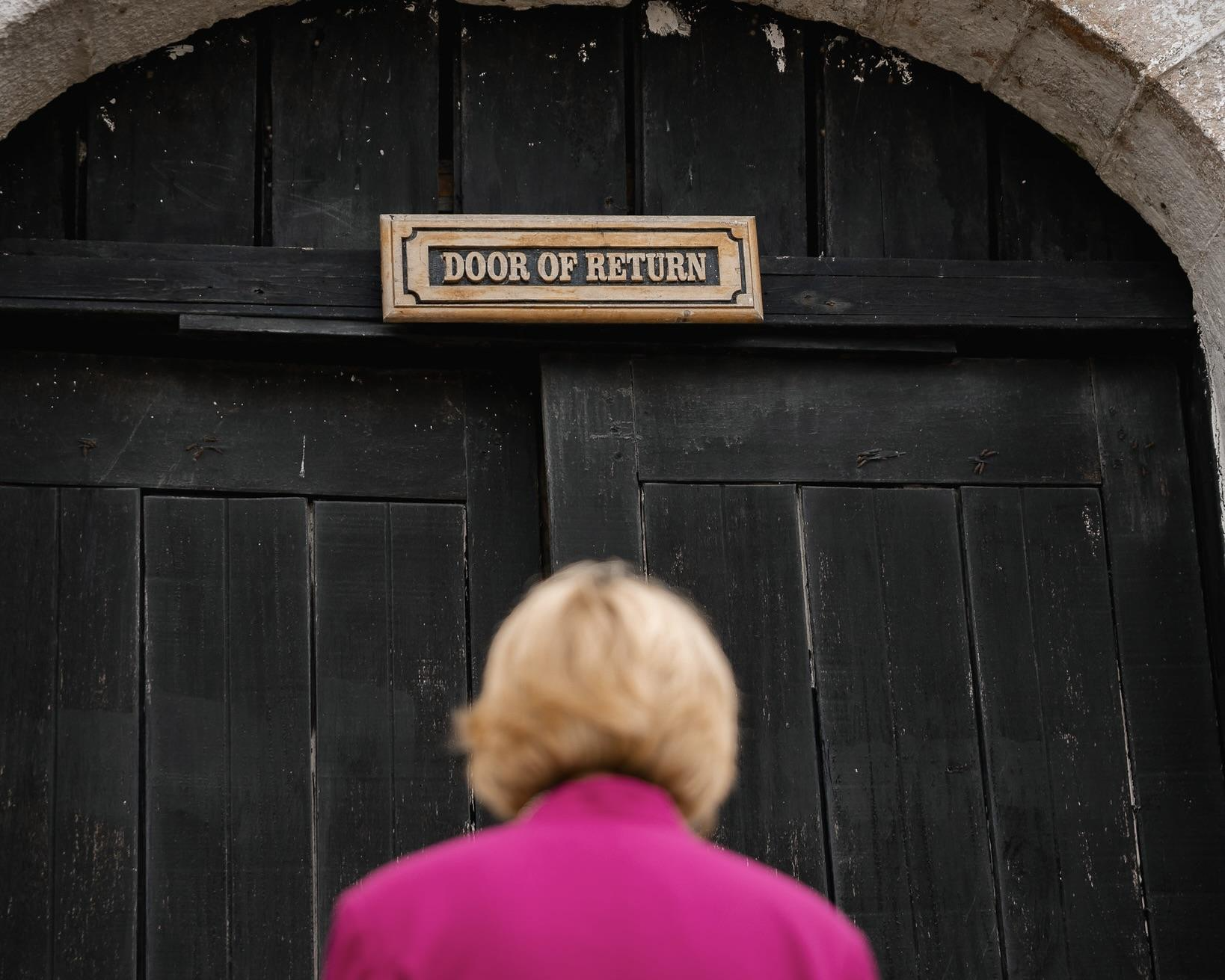
Earlier in the pastoral visit, Archbishop Sarah broke the ground for a new faith-based tourism hostel, which will welcome pilgrims of the African diaspora visiting historic slave sites.
Under Archbishop Justin Welby, the Church apologised for its links to the slave trade: through investments in trafficking companies, donations from slave traders and the ownership of plantations by Anglican missions.
Project Spire, a multi-million pound initiative for reparative justice, has been seen by church leaders as a work of healing and repair for past actions. It would be spent on “investment, research and engagement” in communities affected by the transatlantic slave trade.
The project has been controversial. In July, General Synod members were told it faced a legal challenge, although no further details were shared.
There have been questions about the historical accuracy of the Church’s research into its slavery links, as well as concerns it could breach charity law in diverting funds away from parishes.
Archbishop Sarah is continuing her pastoral visit, travelling from Ghana to Cameroon.